
Study Abroad · GBP
Study in the United Kingdom
Official facts on this page last checked 25 Sept 2026.
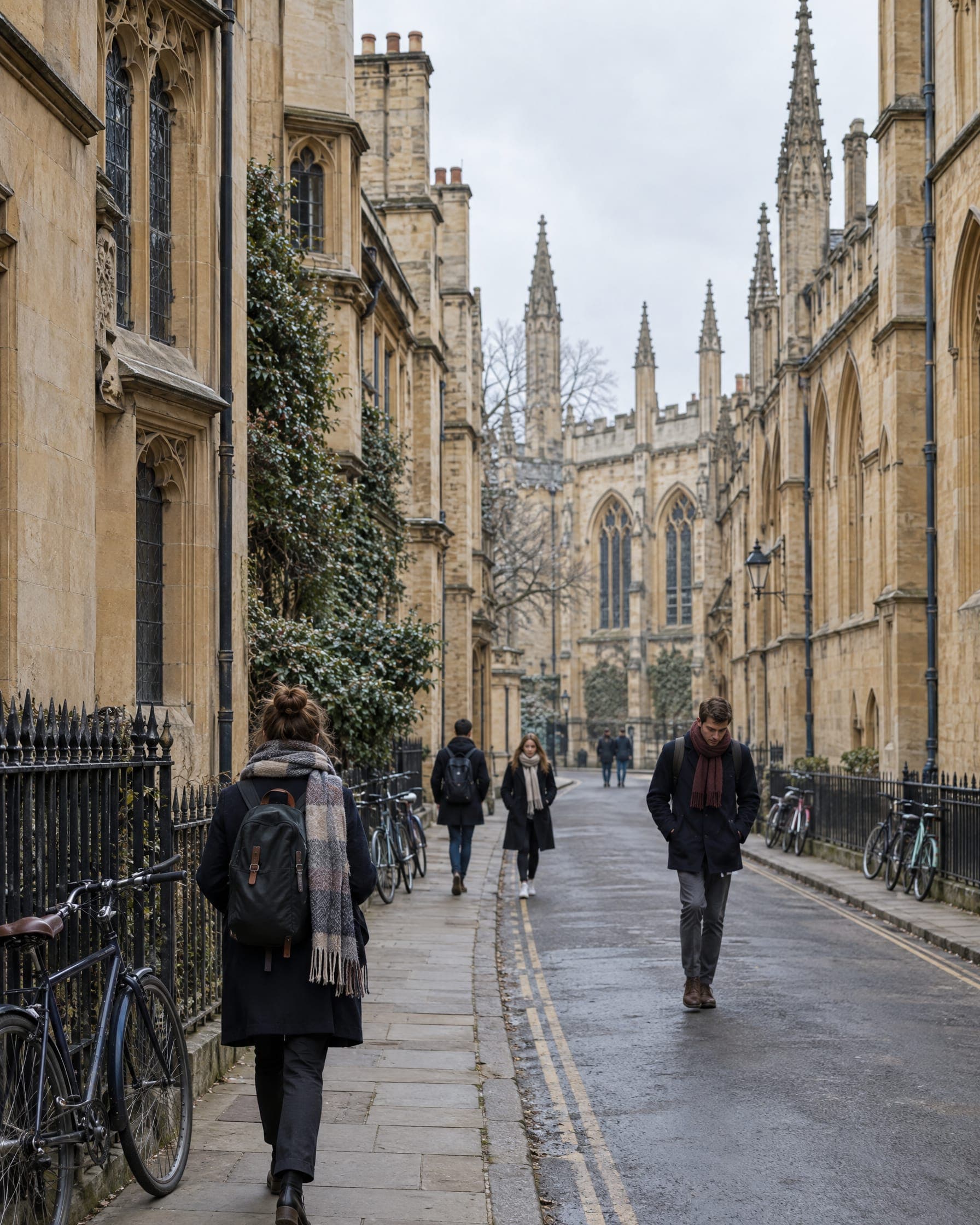
Why students choose the United Kingdom
UK universities offer focused degrees — many master's programmes take one year — and a number of universities run a January intake as well as September. Orbit is currently focusing on planning for the January 2027 intake.
Shorter programmes
Many taught master's degrees are completed in one year, which can reduce total time and cost.
January intakes
Selected universities and courses start in January, giving you a second chance in the year.
Graduate route
Eligible graduates may apply to stay and work after their studies under the Graduate visa.
Intakes: September is the main intake; many universities also offer January, and some offer May.
Degree levels and popular subjects
Degree levels
- Foundation year
- Bachelor's degree
- Master's degree (taught and research)
- PhD
Popular subject areas
- Business and management
- Computing and AI
- Public health and nursing
- Engineering
- Finance and accounting
- Law
Typical requirements
Every institution and course is different
Academic
- Undergraduate: +2 results; some universities recommend a foundation year depending on grades.
- Postgraduate: a recognised bachelor's degree with the grade the course specifies.
- Entry requirements are set by each university and can differ course by course.
Study gaps
Many UK universities consider applicants with a study gap, especially when it is explained with evidence of work or other activities. Each university decides, and the visa decision is made separately by UK Visas and Immigration.
Tuition and living costs
Currency: pound sterling (GBP). Amounts change — see the official figures and dates below.
Tuition
Tuition is set by each university and course. Your Confirmation of Acceptance for Studies (CAS) shows the fee that applies to you.
Living costs
For the visa, UKVI sets a monthly maintenance amount (see the facts below). Real living costs depend on the city and lifestyle.
Orbit offers financial guidance and bank-loan services; loan decisions are made by the lender. Plan your finances
Scholarships
Chevening Scholarships
UK Government (FCDO) · Master's
Fully funded one-year master's degree in the UK. See Chevening for exactly what is covered.
Deadline: 6 Oct 2026
Scholarships are competitive and eligibility varies. Search all scholarships
How to apply
- 01
Choose courses
Select universities and courses that match your academic profile and the intake you want.
- 02
Apply
Apply directly or through UCAS for undergraduate courses; upload transcripts and a personal statement.
- 03
Receive an offer
Meet any conditions on your offer, such as final results or an English score.
- 04
Deposit and CAS
Pay any required deposit and receive your CAS from the university.
- 05
Prepare funds
Hold the required maintenance funds for at least 28 consecutive days before you apply.
- 06
Apply for the Student visa
Apply online, pay the fee and healthcare surcharge, and attend your biometrics appointment.
Application checklist
- Valid passport
- CAS from your university
- Academic transcripts and certificates listed on your CAS
- Proof of English (as required by your university)
- Bank evidence of maintenance funds held for 28 days
- Tuberculosis test certificate (where required for applicants from Nepal — check GOV.UK)
Your university or the visa authority may ask for more; Orbit confirms your exact list.
Student visa
You need an unconditional offer and a CAS from a licensed student sponsor, enough money for your course and living costs, and English at the required level.
Steps
- 1Receive your CAS from a licensed student sponsor
- 2Apply online (earliest 6 months before your course starts, from outside the UK)
- 3Pay the application fee and the immigration health surcharge
- 4Provide biometrics at a visa application centre
Documents usually needed
- Passport
- CAS number
- Proof of funds
- Academic documents
- TB test certificate if required
Admission, scholarship, loan and visa decisions are made by the relevant institution, lender or government authority and depend on each student's circumstances. Orbit guides and prepares you; it cannot guarantee an outcome.
Key facts and official sources
Fees, funds and work rights change. Each figure shows its official source and the date Orbit last checked it. Where we couldn't confirm a figure, we send you to the official page instead of guessing.
- Student visa fee (applying outside the UK)
£558
Checked 25 Sept 2026GOV.UK — Student visa(opens official source in a new tab)
- Immigration health surcharge (students)
£776 per year
Checked 25 Sept 2026GOV.UK — Healthcare surcharge: how much you pay(opens official source in a new tab)
- Living-cost funds for the visa
£1,529 per month in London or £1,171 per month outside London, for up to 9 months
Funds must be held for at least 28 consecutive days, ending within 31 days of your application.
Checked 25 Sept 2026GOV.UK — Student visa: money(opens official source in a new tab)
- When you can apply
Up to 6 months before your course starts (from outside the UK)
Checked 25 Sept 2026GOV.UK — Student visa(opens official source in a new tab)
- Work during term time (degree level)
Up to 20 hours per week, depending on your course
Checked 25 Sept 2026GOV.UK — Immigration Rules: Appendix Student(opens official source in a new tab)
- Graduate visa length
2 years if you apply on or before 31 Dec 2026; 18 months if you apply on or after 1 Jan 2027; 3 years for PhD graduates
Checked 25 Sept 2026GOV.UK — Graduate visa(opens official source in a new tab)
Official websites
Questions students ask
Is January a good intake for the UK?
It can be, particularly if you missed September or need more time for tests. Fewer courses run in January, so shortlisting early matters. Orbit is planning January 2027 applications now.
How long can I stay after graduating?
Under the Graduate visa, the length depends on when you apply and your qualification. From 1 January 2027 it becomes 18 months for most graduates. Check GOV.UK for the current rules.
Do I need IELTS for the UK?
Your university decides which English evidence it accepts. Many accept IELTS for UKVI or PTE. Confirm before you book a test.
Ready to apply to the United Kingdom?
Share your profile and documents, and an Orbit counsellor will review realistic options with you.