
Study Abroad
Six destinations. One honest comparison.
Choose a destination
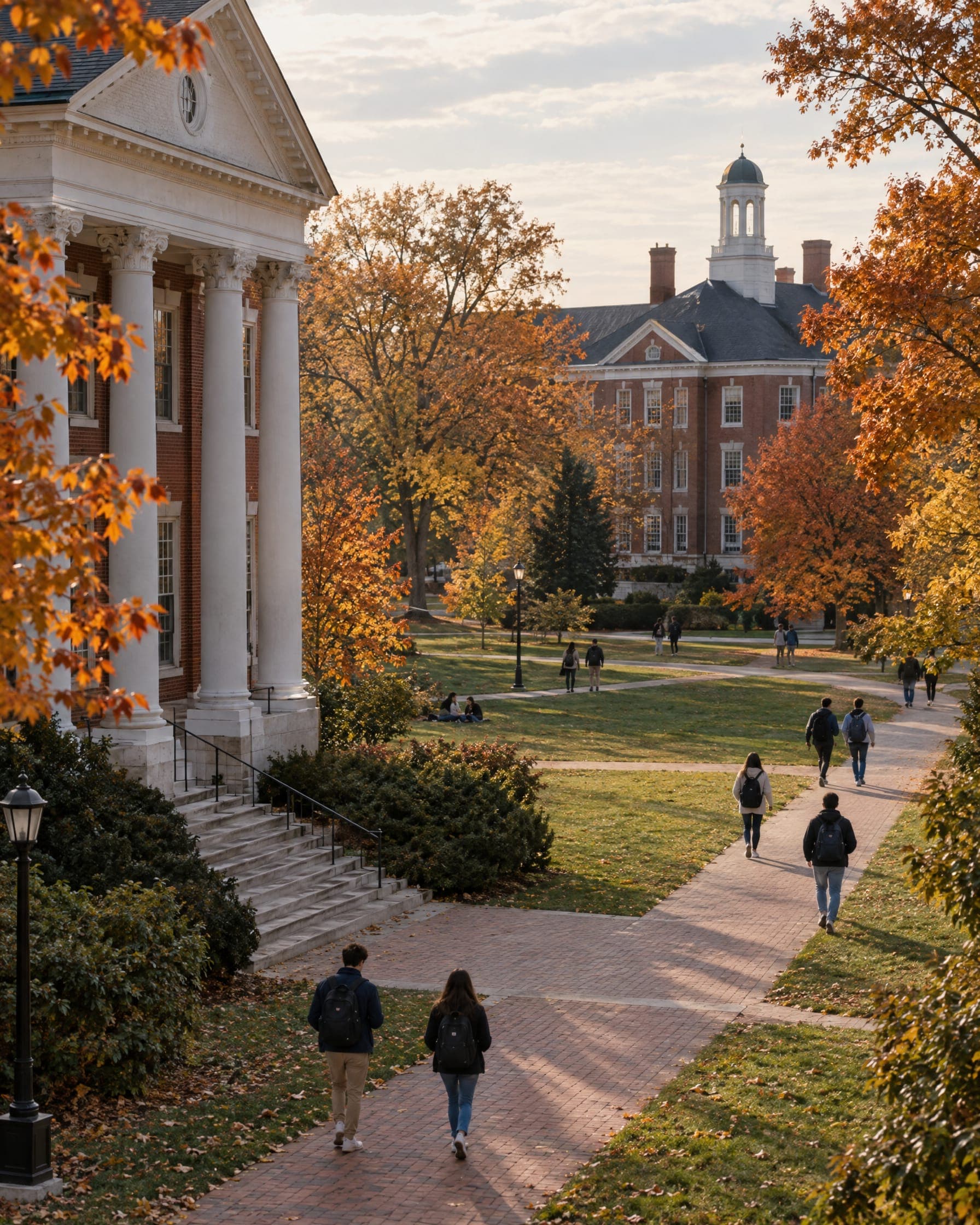
United States
Breadth, flexibility and merit-based funding at thousands of institutions.
Most universities admit for Fall (August/September); many also admit for Spring (January).
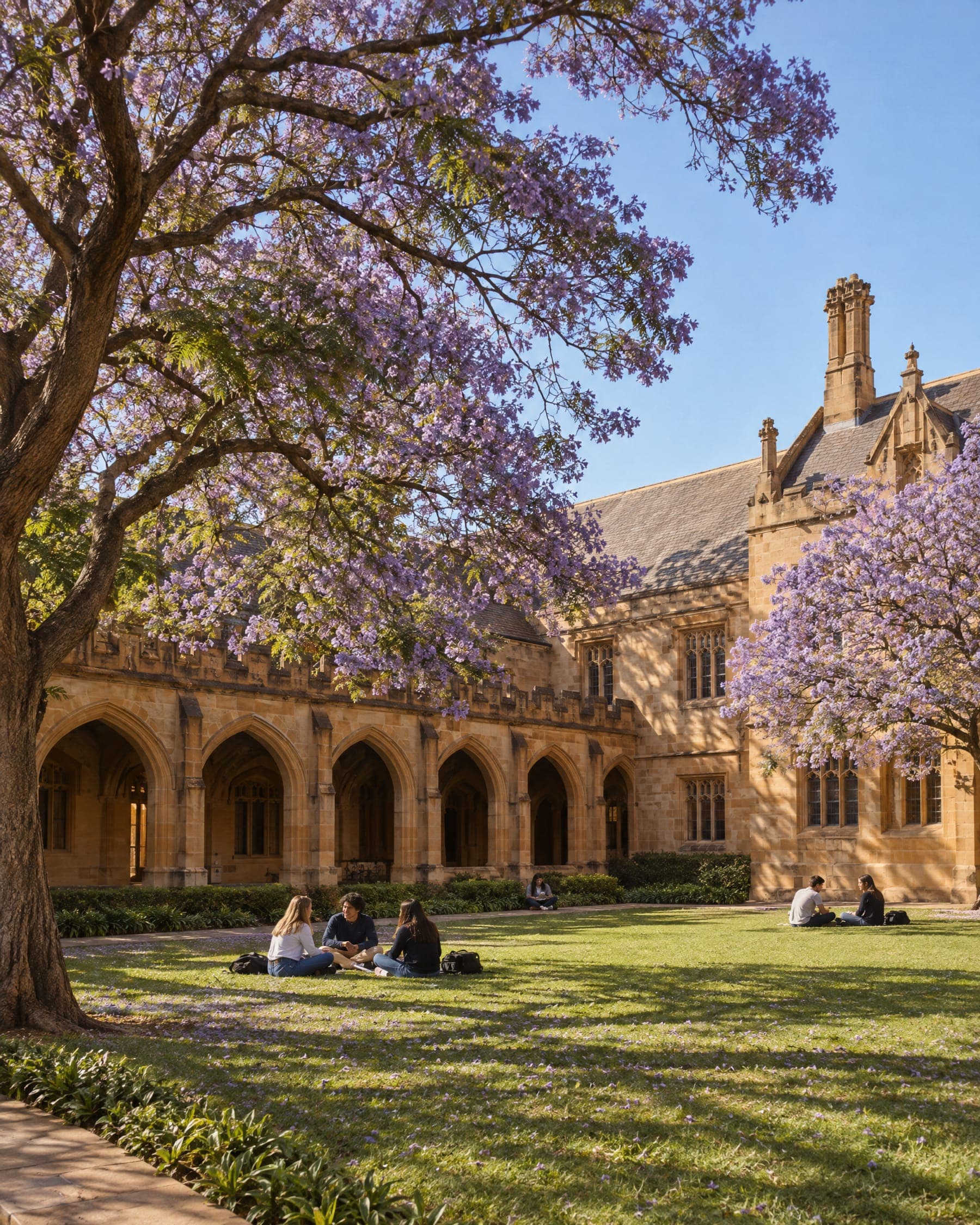
Australia
Practical, career-focused study with post-study work pathways for eligible graduates.
Main intakes are February/March and July; some providers offer additional intakes.
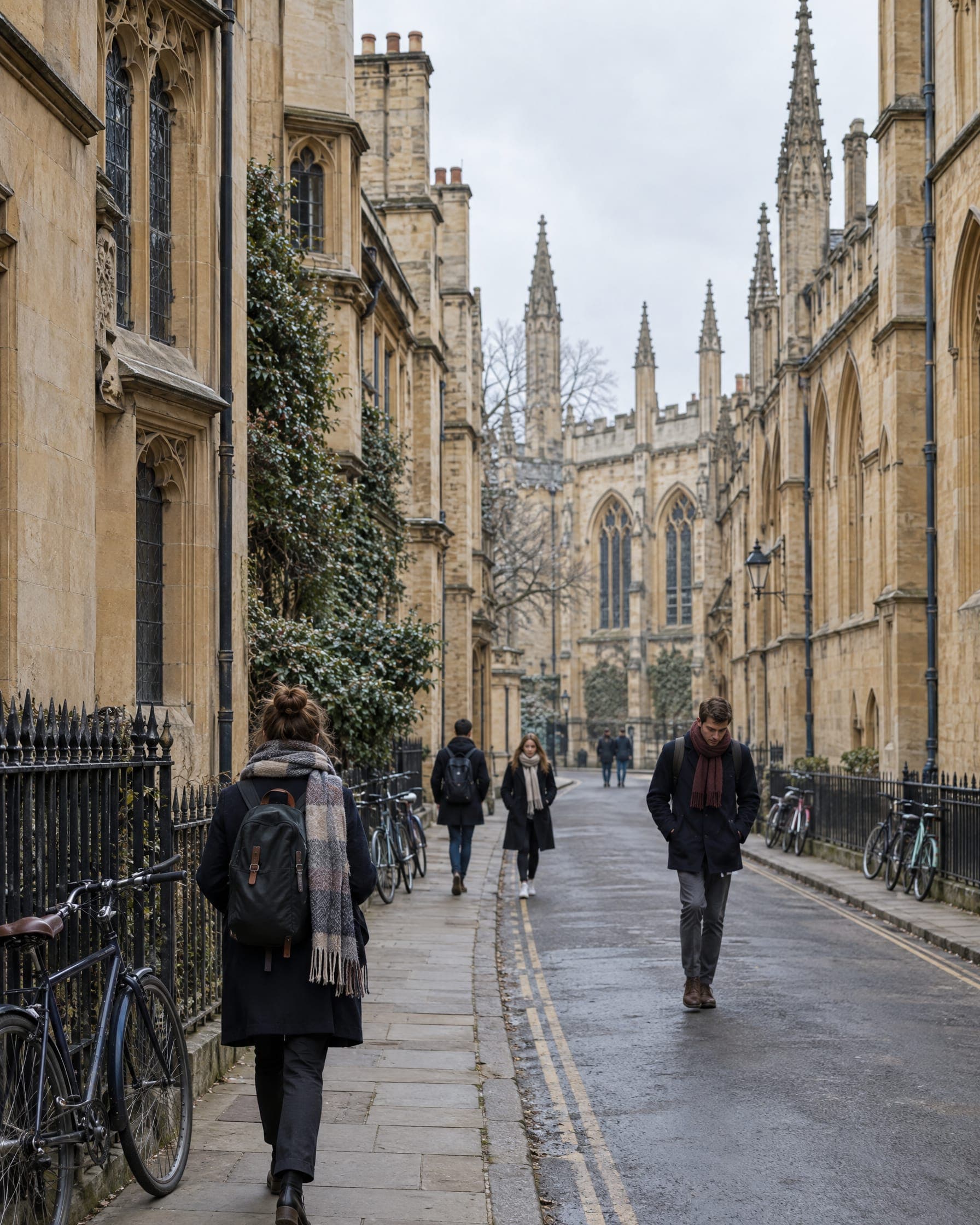
United Kingdom
Focused degrees, many one-year master's programmes and a September or January start.
September is the main intake; many universities also offer January, and some offer May.
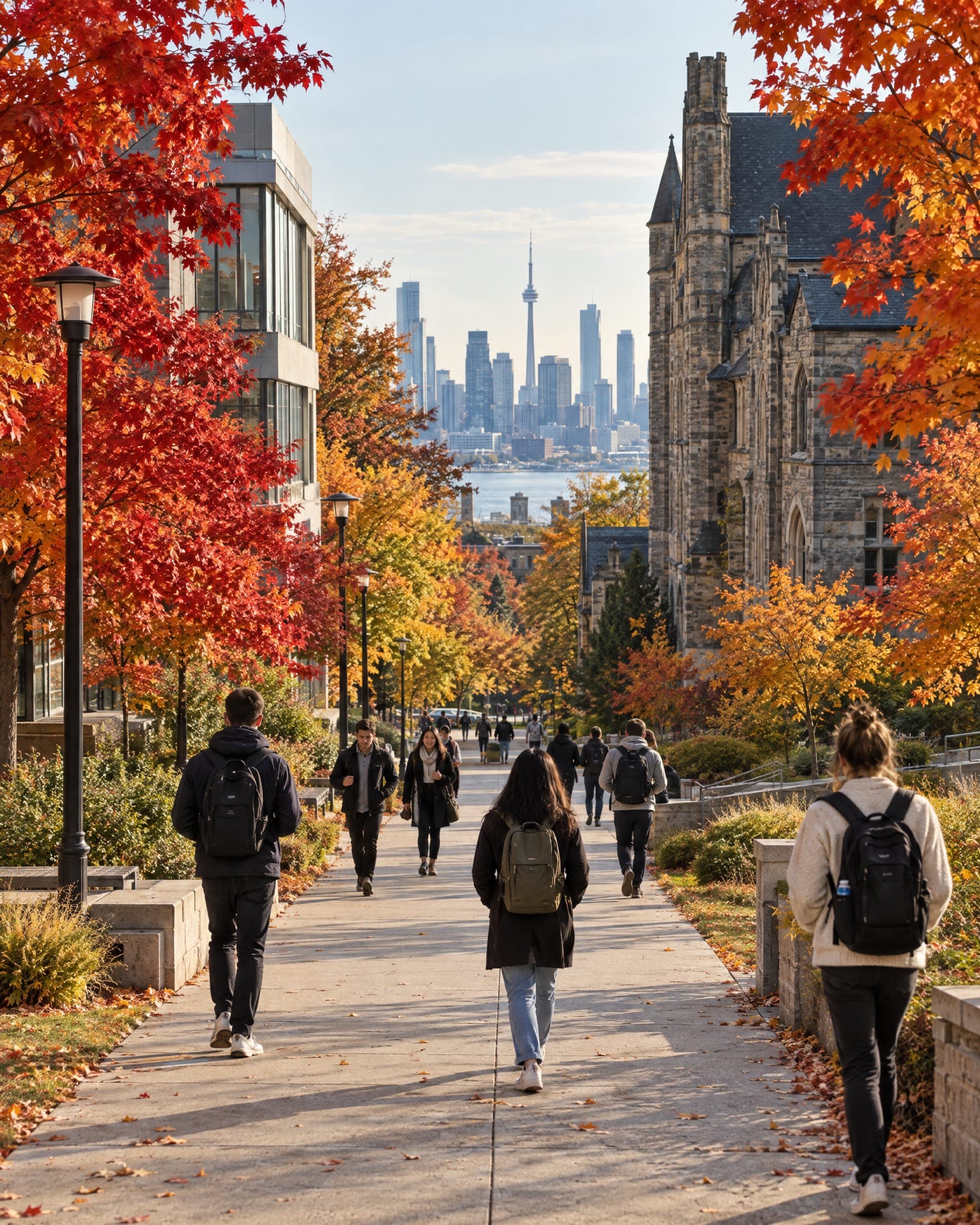
Canada
Well-regarded colleges and universities, with work rights during and after study for eligible students.
September is the main intake; many institutions also offer January and some offer May.
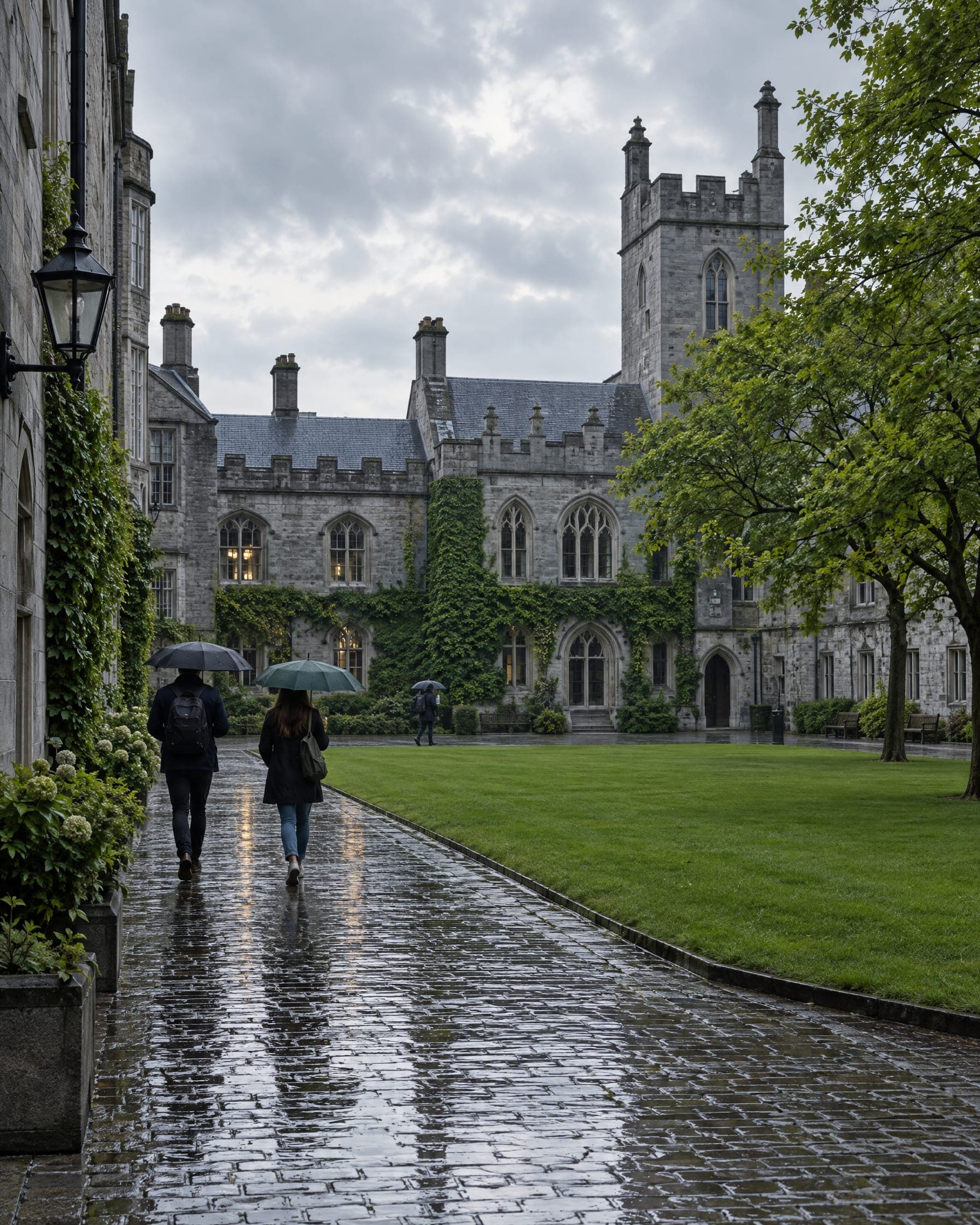
Ireland
An English-speaking EU country with strong technology, pharma and research sectors.
September is the main intake; some programmes start in January.
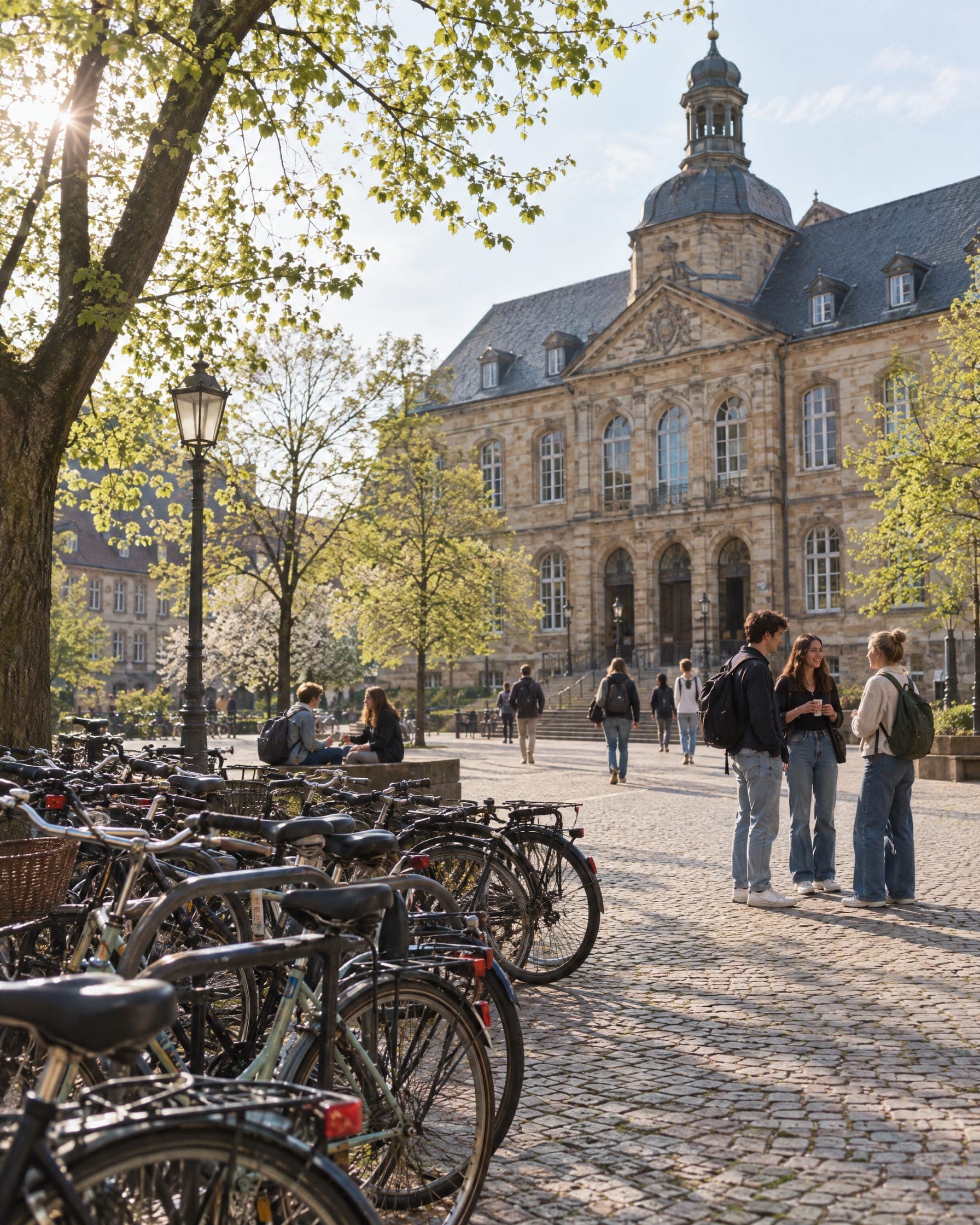
Germany
Research-led universities, many English-taught master's programmes and strong engineering traditions.
Winter semester (usually October) and summer semester (usually April); deadlines differ by university.
Compare official figures
Only figures Orbit has checked against an official source are shown. “Check source” means we are still verifying — follow the link.
| Figure | USA | Australia | UK | Canada | Ireland | Germany |
|---|---|---|---|---|---|---|
| Student visa fee | Check source | From A$2,500 per application (from 1 July 2026, unless exempt)Checked 25 Sept 2026 | £558Checked 25 Sept 2026 | Check source | Check source | Equivalent of €75 in NPR, paid in cash when you apply (non-refundable). The Embassy states processing takes at least about 3–4 weeks.Checked 25 Sept 2026 |
| Work during study | Up to 20 hours per week while school is in sessionChecked 25 Sept 2026 | Up to 48 hours per fortnight (no limit for master's by research and doctoral students)Checked 25 Sept 2026 | Up to 20 hours per week, depending on your courseChecked 25 Sept 2026 | Up to 24 hours per week, if eligible; full time during scheduled breaksChecked 25 Sept 2026 | 20 hours per week during term; 40 hours per week in set holiday periodsChecked 25 Sept 2026 | Check source |
| Living-cost funds for the visa | — | Check source | £1,529 per month in London or £1,171 per month outside London, for up to 9 monthsChecked 25 Sept 2026 | C$23,448 for applications on or after 1 Sept 2026 (was C$22,895 before that date)Checked 25 Sept 2026 | Immediate access to at least €10,000 for each academic yearChecked 25 Sept 2026 | Check source |
| Post-study options | Check source | Post-Higher Education Work stream: 2–3 years depending on qualification; Post-Vocational Education Work stream: up to 18 monthsChecked 25 Sept 2026 | 2 years if you apply on or before 31 Dec 2026; 18 months if you apply on or after 1 Jan 2027; 3 years for PhD graduatesChecked 25 Sept 2026 | Programmes of 8 months to under 2 years: matches programme length; 2 years or more (and eligible master's degrees): up to 3 years. Most applicants need language test results.Checked 25 Sept 2026 | 12 months for Level 8 graduates; up to 24 months for Level 9 and above (time limits apply)Checked 25 Sept 2026 | — |